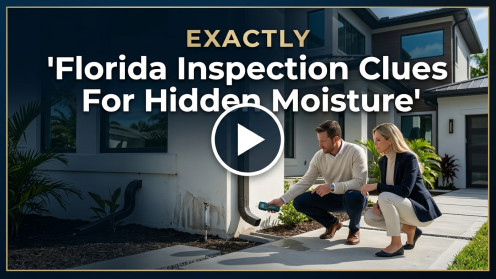
Living in Southwest Florida for most of my life, I’ve seen firsthand how our region’s sand, clay pockets, humidity, and storms can quietly impact homes—especially when it comes to hidden moisture. Decades of watching neighborhoods grow (and sometimes flood) have taught me just how crucial it is to spot subtle warning signs during a home inspection. For anyone buying or selling here, I always recommend asking for moisture readings and taking a close look at yard slope, gutters, and any staining on exterior walls. Water pooling near the foundation is often the start of costly repairs, and catching it early saves headaches down the road.
Musty odors, slight floor warping, lower-wall stains, recent cosmetic touchups, odd patches of new flooring, or that white residue on concrete? Each can suggest unresolved moisture—a detail easy to overlook but expensive to ignore. Before adding new floors, it’s smart to address drainage, test and seal slabs, and consider durable materials like porcelain tile or quality luxury vinyl plank to stand up to our climate. After any flooding, I remind clients to test and dry subfloors thoroughly, document conditions, and invest in moisture-resistant upgrades, not just for peace of mind, but to help protect long-term resale value and avoid bigger repairs later. It’s all part of making wise, well-informed decisions for your Southwest Florida home.
Leave a Reply